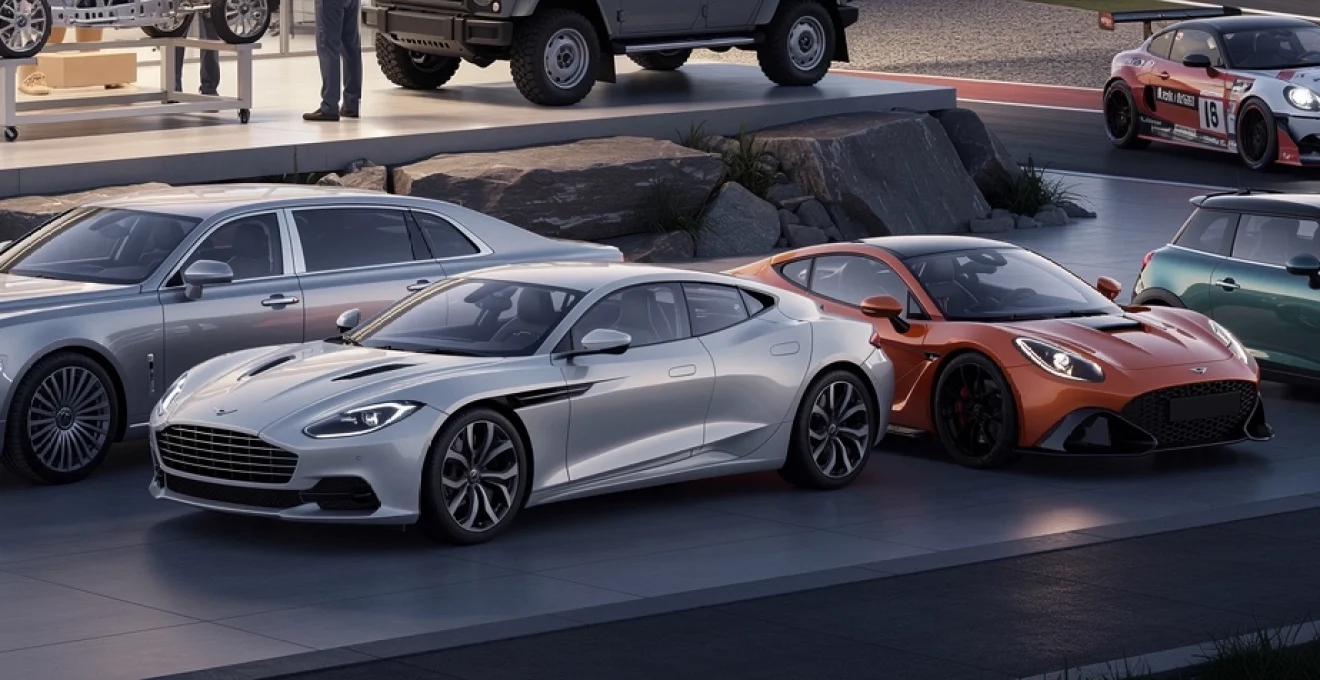
The British automotive landscape represents a fascinating paradox of tradition meeting innovation, where centuries-old craftsmanship techniques blend seamlessly with cutting-edge technology. From the hand-stitched leather interiors of Rolls-Royce to the carbon fibre monocoques of McLaren supercars, English automotive brands have consistently redefined what luxury, performance, and engineering excellence mean in the modern world. These manufacturers don’t simply build vehicles; they create automotive art pieces that embody the quintessential British values of quality, heritage, and innovative thinking.
What truly distinguishes British automotive brands isn’t merely their prestigious badges or premium price points, but rather their unwavering commitment to bespoke manufacturing processes, motorsport-derived technologies, and design philosophies that prioritise both emotional connection and mechanical precision. While other nations may excel in mass production or cost efficiency, British marques have carved out an exclusive niche where each vehicle represents a unique synthesis of traditional craftsmanship and contemporary engineering prowess.
Heritage engineering excellence in british automotive manufacturing
The foundation of British automotive supremacy lies in manufacturing techniques that have been refined over decades of continuous innovation. Unlike mass-production facilities that prioritise volume over precision, British manufacturers maintain artisanal approaches to vehicle construction, where skilled craftspeople work alongside advanced robotics to achieve unparalleled quality standards. This hybrid methodology ensures that every component meets exacting specifications whilst preserving the human touch that defines luxury automotive experiences.
Traditional British engineering principles emphasise durability over disposability, a philosophy that manifests in vehicle architectures designed to last generations rather than merely meeting warranty periods. This long-term perspective influences material selection, component integration, and quality assurance processes throughout the manufacturing chain. The result is vehicles that not only perform exceptionally when new but continue to deliver refined experiences decades after production.
Rolls-royce phantom Hand-Crafted aluminium space frame architecture
The Phantom’s aluminium space frame represents the pinnacle of precision engineering, where each joint undergoes individual inspection by master craftspeople. This bespoke approach to structural assembly ensures dimensional accuracy within tolerances measured in fractions of millimetres, creating a foundation for the vehicle’s legendary ride quality. The aluminium framework weighs 25% less than equivalent steel construction whilst providing superior torsional rigidity, demonstrating how traditional craftsmanship enhances modern engineering solutions.
Bentley continental GT W12 engine Twin-Scroll turbocharging technology
Bentley’s W12 powerplant showcases innovative turbocharging technology that delivers both effortless performance and refined operation. The twin-scroll configuration optimises exhaust gas flow dynamics, reducing turbo lag whilst maximising power delivery across the entire rev range. Each engine undergoes individual dyno testing and hand-finishing, ensuring that power output characteristics match Bentley’s exacting performance standards. This meticulous attention to powertrain refinement exemplifies British engineering’s focus on seamless power delivery rather than merely impressive peak figures.
Aston martin DB11 bonded aluminium chassis construction methods
The DB11’s bonded aluminium chassis utilises aerospace-grade joining techniques that create structural integrity impossible to achieve through traditional welding methods. This advanced bonding process distributes stress loads more evenly throughout the chassis, resulting in improved crash protection and enhanced dynamic stability. The construction methodology allows for precise weight distribution optimisation, contributing to the vehicle’s exceptional handling characteristics and driver engagement levels.
Mclaren 720S carbon fibre MonoCell II structural innovation
McLaren’s MonoCell II represents revolutionary thinking in automotive structural design, where carbon fibre construction techniques borrowed from Formula 1 technology create unprecedented strength-to-weight ratios. The single-piece carbon fibre tub weighs just 75kg whilst providing superior protection and structural rigidity compared to conventional chassis designs. This innovation demonstrates how British manufacturers leverage motorsport expertise to advance road car technology, creating vehicles that benefit from racing-derived engineering solutions.
Distinctive british design philosophy and aesthetic DNA
British automotive design philosophy centres around the concept of restrained elegance, where visual impact emerges from proportion and detail rather than aggressive styling elements. This approach creates vehicles
that feel timeless rather than tied to a particular model year. Designers focus on how light moves across surfaces, how panels meet, and how proportions make a car look poised even at a standstill. Subtle surfacing, long bonnet lines, and carefully controlled overhangs help British cars project a quiet confidence that stands apart from more overtly aggressive Continental or American styling cues.
Jaguar F-Type proportional design language and surface tension theory
The Jaguar F-Type is a textbook demonstration of British proportional design language. Its classic front-engined, rear-drive layout allows for a long bonnet, cab-rearward stance and muscular rear haunches, all of which communicate performance without resorting to excessive vents or spoilers. Jaguar’s designers talk about surface tension – the idea that every panel should appear taut, like fabric stretched over muscle, rather than flat or over-sculpted.
This “less is more” approach is what gives the F-Type its enduring appeal. The shoulder line flows cleanly from headlamp to tail, with just enough curvature to catch the light in a sophisticated way. Details such as the slim LED headlamps, leaper-inspired daytime running light signatures and deployable rear spoiler are integrated into the overall form rather than shouting for attention individually. The result is a sports car that looks unmistakably British: elegant first, dramatic second.
Land rover defender functional modernism and utilitarian aesthetics
At the other end of the spectrum sits the Land Rover Defender, whose design philosophy is rooted in functional modernism. Rather than hiding its off-road purpose, the Defender wears it proudly: upright glass, high sills, short overhangs and a near-vertical tailgate all speak to practicality and durability. Yet these purely functional decisions are balanced with a carefully considered aesthetic that makes the Defender as at home outside a city restaurant as it is on a farm track.
Elements such as the “floating” roof, Alpine light windows, and exposed screw heads convey a sense of engineered honesty. You can see how panels bolt together, where water might drain, and how accessories can be mounted; nothing is purely decorative. This blend of utilitarian aesthetics and refined surfacing typifies British SUV design – it is akin to a well-cut waxed jacket: rugged, but tailored and sophisticated enough for everyday life.
MINI cooper circular design elements and retro-futuristic integration
The MINI Cooper demonstrates a different thread in British design DNA: playful retro-futurism. Its use of circular motifs – from the oversized headlamps and instrument dials to the toggle switches and steering wheel hub – creates an instantly recognisable interior and exterior language. These circles are not there by accident; they echo the original 1959 Mini’s simple, friendly shapes while being reinterpreted with modern materials and lighting technology.
What keeps the MINI from feeling like a mere nostalgia piece is how these retro cues are integrated with contemporary digital interfaces and safety requirements. The central touchscreen, ambient lighting and driver-assistance displays are all wrapped in familiar forms, making new technology feel approachable. For many buyers, this is what sets British small cars apart: they deliver everyday usability and modern connectivity, but with a sense of character and humour that more clinical designs often lack.
Lotus evija aerodynamic efficiency through minimalist form factor
The Lotus Evija shows how British design philosophy adapts to the electric hypercar era without losing its core principles. Rather than adding flamboyant wings or exaggerated creases, Lotus pursues aerodynamic efficiency through a minimalist form factor. The Evija’s key features – including the dramatic Venturi tunnels that pierce the rear bodywork – are driven by airflow management first, styling second.
This “aero as sculpture” approach results in a clean silhouette that belies the complexity of the underbody and diffuser systems. Surfaces are smoothed wherever possible to reduce drag, with sharp edges used only where they contribute to vortex control or cooling. For drivers, the benefit is not just visual theatre but also real-world performance: higher stability at speed, better cooling for the battery pack and motors, and greater efficiency. Once again, British design uses restraint and engineering logic to create beauty, rather than chasing form for its own sake.
Advanced powertrain technologies and performance engineering
Beyond aesthetics, British automotive brands distinguish themselves through advanced powertrain technologies that prioritise usable performance and emotional engagement. Rather than chasing headline horsepower figures alone, engineers focus on factors such as torque delivery, throttle response and drivetrain calibration. The aim is to make every journey – from a city commute to a cross-country drive – feel effortless yet involving.
Many English marques were early adopters of hybrid and electrified systems, not purely for efficiency but to enhance performance. McLaren’s hybrid supercars, for instance, use electric torque fill to sharpen acceleration out of corners, while Bentley’s plug-in hybrids allow near-silent urban driving without sacrificing long-distance capability. Even traditional V12 and V8 engines from Aston Martin or Rolls-Royce are now paired with sophisticated transmission mapping, cylinder deactivation and emissions control systems to meet modern standards without diluting their character.
As we move further into an era of electrification, the British approach to performance engineering will likely remain focused on feel rather than just figures. How quickly does an electric motor respond to your right foot? How seamlessly does a gearbox downshift in anticipation of a corner? These questions matter as much to engineers in Gaydon, Woking and Crewe as 0–62 mph times, and it is this obsession with subtlety that sets English performance cars apart.
Bespoke luxury craftsmanship standards and artisanal manufacturing
One of the most distinctive hallmarks of British automotive brands is their commitment to bespoke luxury craftsmanship. In an age when most vehicles roll off highly automated global production lines, factories in Goodwood, Crewe and Malvern still rely heavily on human expertise. Here, skilled craftspeople hand-stitch leather, mirror-match wood veneers and painstakingly polish metal trim, often spending dozens of hours on details a casual observer might never consciously notice.
In a Rolls-Royce, for example, the wood veneer across the dashboard and doors is cut from a single tree to ensure grain continuity, a process that requires both careful selection and meticulous assembly. Bentley’s “diamond in diamond” quilting involves up to 712 individual stitches per diamond pattern, with thread colours chosen to match or contrast with the exterior paint according to the customer’s instructions. Morgan’s continued use of ash wood framing, combined with modern aluminium panels, creates a unique tactile quality that no mass-produced car can replicate.
For buyers, the value of this artisanal manufacturing goes beyond bragging rights. It translates into cabins that age gracefully, surfaces that develop patina rather than wear, and a sense of personal connection to the object. When you know that a specific team of trimmers, painters and joiners has worked on your car, the ownership experience becomes far more intimate. It is similar to commissioning a bespoke suit or a piece of furniture: the product reflects both the maker’s craft and your own preferences.
This is also where British brands excel at personalisation. From custom paint shades matched to a favourite watch, to embroidered family crests in headrests or starry-sky headliners arranged to mirror a specific night’s constellation pattern, the possibilities are almost endless. The underlying message is clear: where many manufacturers sell you a car, English luxury marques invite you to co-create your car.
Motorsport heritage influence on road car development
Motorsport has always been a crucial proving ground for British engineering, and its influence on road car development remains profound. The UK hosts a large concentration of Formula 1 teams and high-performance engineering firms, often referred to as “Motorsport Valley”. This ecosystem allows rapid transfer of ideas from track to road, whether in aerodynamics, materials science or data-driven vehicle dynamics.
For enthusiasts, this racing heritage is not just marketing. When you drive a McLaren, Jaguar, Bentley or Land Rover, you are benefiting from decades of lessons learned in the harshest competitive environments. Braking systems, suspension geometries and electronic control strategies that once gave teams fractions of a second advantage now translate into safer, more rewarding road cars. It is little wonder that so many British marques proudly reference their motorsport achievements in their model names and design details.
Formula 1 technology transfer from McLaren racing division
McLaren is perhaps the clearest example of direct technology transfer from Formula 1 to road cars. The carbon fibre MonoCell structure that underpins models like the 720S and Artura draws directly from F1 monocoque construction, offering exceptional crash safety and stiffness at minimal weight. This is not simply a case of using exotic materials; it involves precise lay-up patterns, curing cycles and bonding methods refined over years of racing.
The brand’s active aerodynamics and brake steer systems also have their roots in race engineering. By using electronically controlled flaps and spoilers, McLaren can optimise downforce and drag in real time, improving both lap times and motorway efficiency. Brake steer – originally a controversial F1 innovation – subtly applies braking to an inside rear wheel to tighten the car’s line through a corner, giving everyday drivers a taste of racing agility without demanding race-driver reflexes.
Le mans endurance racing impact on bentley speed series
Bentley’s modern Speed models trace much of their character back to the marque’s early dominance at Le Mans. Endurance racing demands not just outright speed but the ability to sustain high performance for hours on end without mechanical failure or driver fatigue. Those same priorities shape the development of contemporary grand tourers such as the Continental GT Speed.
High thermal capacity braking systems, carefully calibrated cooling circuits and robust driveline components all stem from lessons learned on the Circuit de la Sarthe. The way a Bentley can cruise at Autobahn speeds in near silence, yet still feel composed after hours behind the wheel, is a direct reflection of this endurance mindset. You are not simply buying a fast luxury car; you are buying into a tradition of engineering that treats comfort and reliability as non‑negotiable at triple-digit speeds.
Rally championship DNA in land rover all-terrain response systems
While Land Rover is not a rally brand in the traditional sense, its vehicles and engineers have long been involved in off-road competition and adventure events around the world. The knowledge gained from gruelling rallies and overland expeditions informs systems like Terrain Response and All-Terrain Progress Control. Think of these as rally co-drivers embedded in the vehicle’s electronics, constantly adjusting throttle, braking and differential behaviour to match changing surfaces.
Instead of relying solely on driver skill to manage mud, sand, rock or snow, the Defender and Range Rover families draw on a database of traction scenarios honed in real-world extremes. For most owners, this means confidence: you can leave tarmac and trust that the vehicle’s systems will help you find grip where none seems to exist. The connection to British rally and off-road heritage may be subtle, but it is powerful – it turns what could be intimidating terrain into something genuinely accessible.
British touring car championship influence on jaguar sport models
The British Touring Car Championship (BTCC) has long served as a crucible for saloon and coupe development, and Jaguar’s historic involvement continues to echo in its modern sport models. Close-contact racing on tight circuits forces engineers to focus on predictable handling, strong braking and durable components that can withstand repeated heavy use – precisely the qualities that make a road car enjoyable on a twisty B‑road.
Features such as stiff yet compliant suspension bushings, finely tuned electric power steering and multi-mode stability control systems are all informed by touring car experience. When you switch a Jaguar F-Type or a sporty XE into its dynamic mode, you are feeling a distilled version of BTCC tuning philosophy. The car becomes more responsive, the gearbox holds gears longer, and the exhaust note sharpens – not just for drama, but to give you clearer feedback, much as a racing driver demands from their machine.
Innovation in electric vehicle architecture and sustainable mobility
As the automotive world pivots toward electrification, English brands are shaping what premium and high-performance electric vehicles can be. Rather than treating EVs as mere compliance cars, British manufacturers view them as an opportunity to rethink architecture from the ground up. This begins with dedicated platforms that integrate battery packs into the vehicle structure, enhancing rigidity while freeing designers from the constraints of traditional engine bays.
The Rolls-Royce Spectre, for example, uses an aluminium spaceframe specifically adapted for electric propulsion, allowing for a perfectly flat floor and optimal acoustic isolation around the battery. Lotus’s approach with the Evija and its forthcoming EV platforms focuses on keeping mass as low and centrally located as possible, in keeping with the brand’s “simplify and add lightness” mantra. Even more mainstream players like MINI and Jaguar are investing heavily in modular electric architectures that can underpin everything from compact hatchbacks to luxury crossovers.
But sustainable mobility in the British context goes beyond battery size and range figures. There is growing emphasis on lifecycle thinking: how materials are sourced, how easily vehicles can be repaired or upgraded, and how components can be recycled at end of life. Some brands are experimenting with responsibly sourced wood, chromium-free tanning processes for leather, and even alternative textiles made from recycled plastics or natural fibres. The aim is to ensure that the signature British blend of craftsmanship and performance endures in a world that increasingly demands environmental responsibility.
For drivers considering an electric car from an English marque, the message is reassuring. You are not being asked to trade character for conscience; instead, you are invited into a new generation of vehicles that preserve the tactile pleasures, design depth and engineering integrity that have always set British brands apart, now underpinned by cleaner, quieter and more efficient technology.